Can I Retire in Canada? A 3-Question Test (2026)
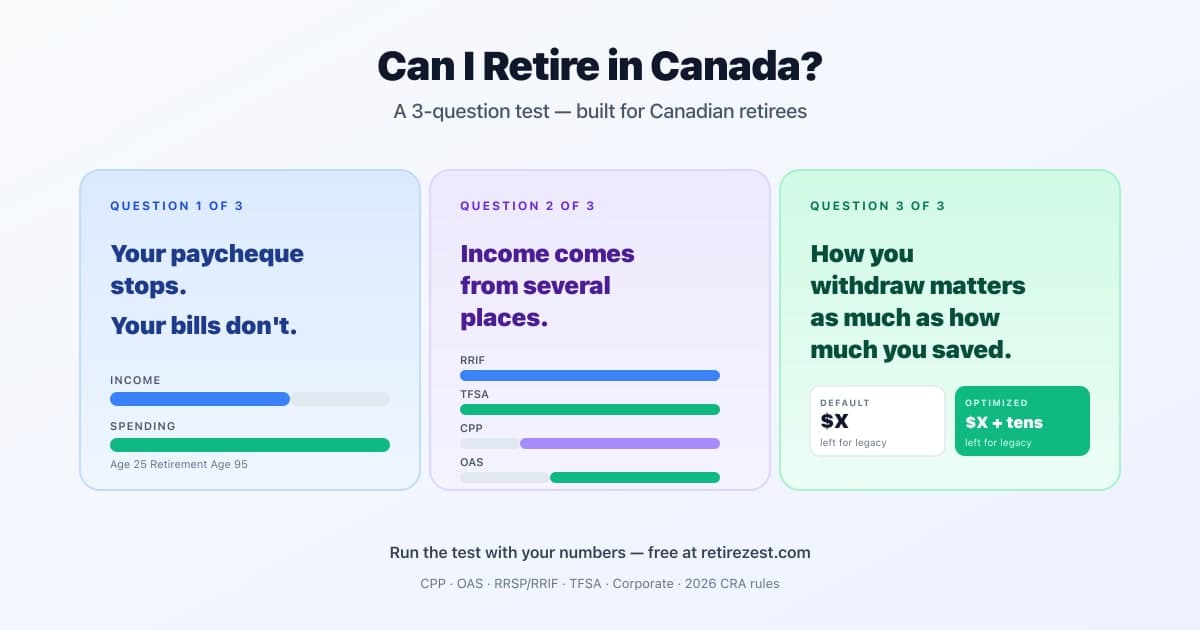
A practical 3-question test for whether you can retire in Canada — spending vs. income, where that income comes from, and why withdrawal strategy matters.
Expert advice on CPP, OAS, tax strategies, and withdrawal planning for Canadian retirees.

A practical 3-question test for whether you can retire in Canada — spending vs. income, where that income comes from, and why withdrawal strategy matters.

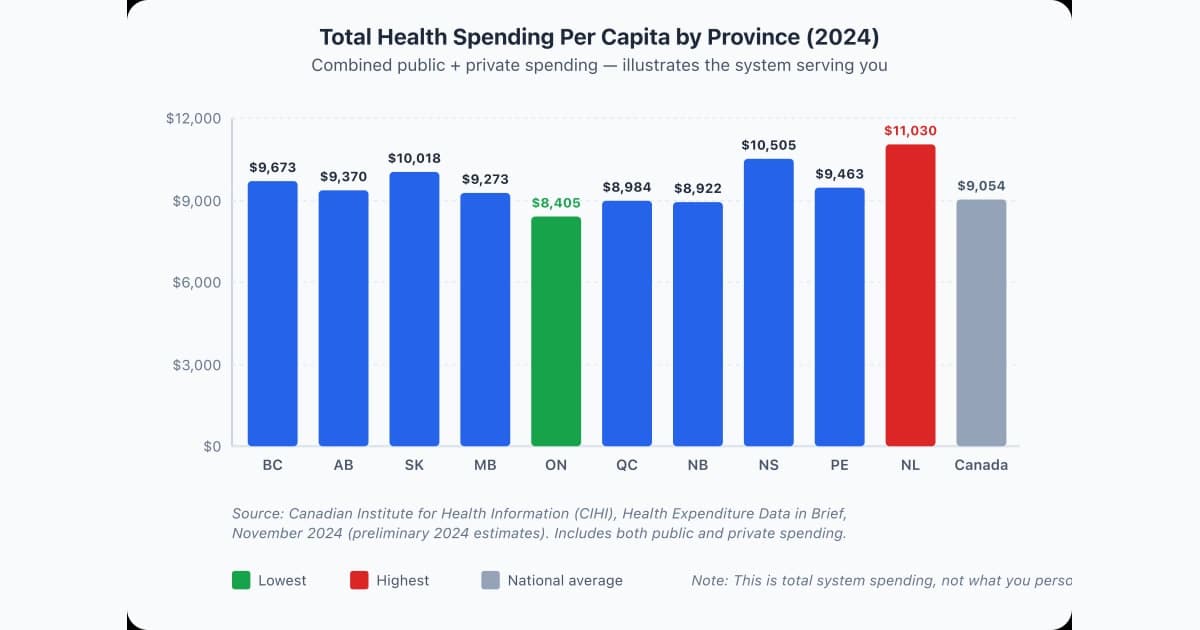
How much should Canadian retirees budget for healthcare? Out-of-pocket costs roughly $2,000–$6,000/year per person, plus drug coverage and long-term care fees by province.

How much do Canadian retirees spend? StatCan data shows about $78,500/year for 65+ households (2023) — your number depends on location and lifestyle.

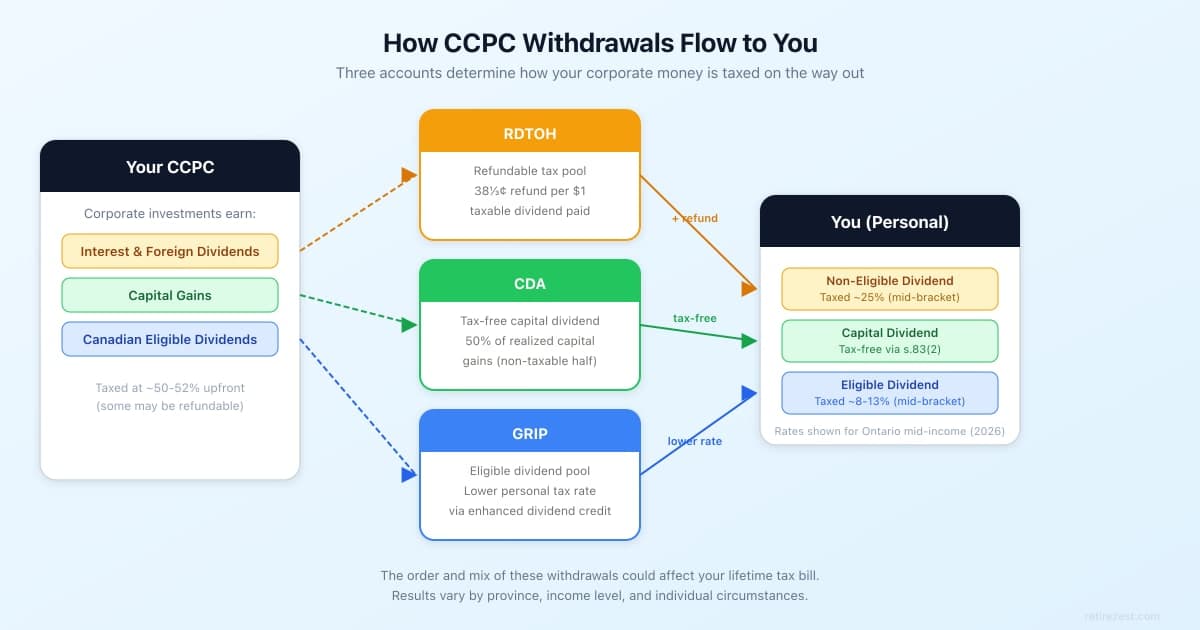
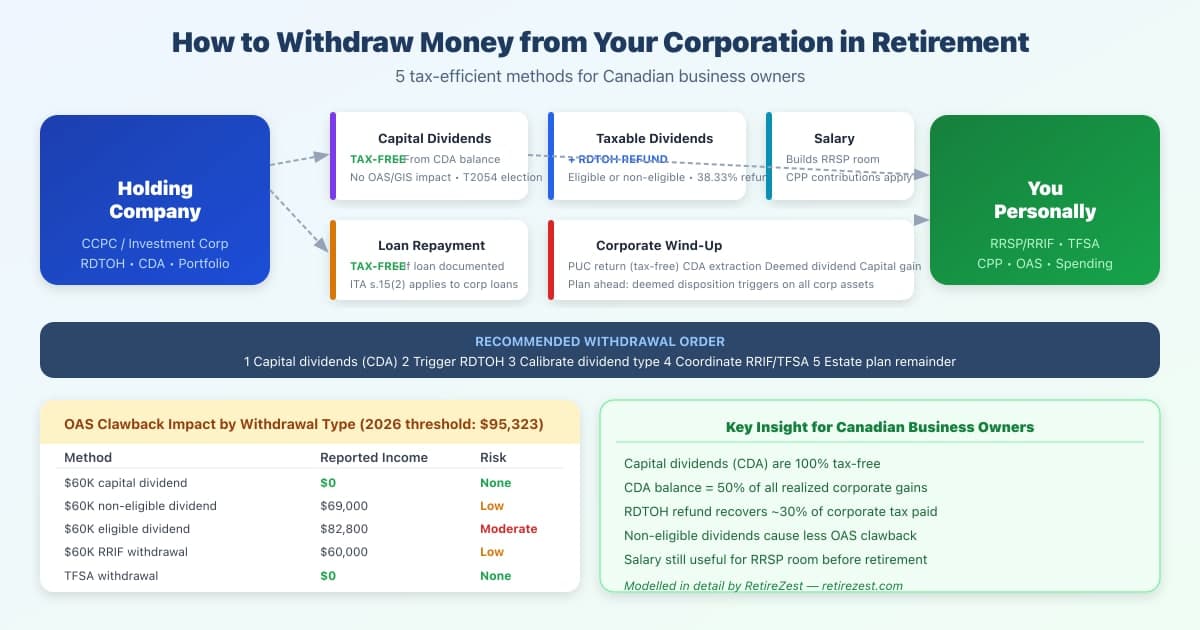
How CDA, RDTOH, and GRIP work for CCPC owners in retirement. The withdrawal method you choose may affect your lifetime tax bill.

5 ways to extract money from your holding company in retirement — capital dividends, RDTOH, salary, dividends, and shareholder loans.

The Zest Score is a 0–100 retirement readiness score measuring plan survival, tax efficiency, cushion, and spending reliability.

RetireZest helps Canadians understand CPP, OAS, taxes, and withdrawal strategies through simulation. Educational tool, not financial advice.

Tax is one piece of choosing where to retire. Compare AB, BC, ON, and QC retirement taxes — brackets, credits, and total burden — for 2026.

How to draw down your holding company in retirement. RDTOH, CDA, eligible vs non-eligible dividends, and withdrawal strategies.

When a CPP contributor dies, their spouse may receive a survivor pension. Learn how much, who qualifies, and how it affects your retirement plan.

GIS provides up to $1,109/month tax-free for low-income Canadian seniors. Eligibility rules, income thresholds, and strategies for 2026.

Your retirement "magic number" depends on lifestyle, province, and household size. Realistic 2026 targets with CPP/OAS factored in.

The GIS clawback reduces your benefit by 50 cents per dollar of income. 2026 thresholds and strategies to help protect your payments.

Some income types trigger the OAS clawback more than others. 2026 thresholds, 7 avoidance strategies, and a free calculator.

Split up to 50% of eligible pension income with your spouse to reduce taxes. Rules, eligibility, and examples for 2026.

Canadian couples can reduce taxes by splitting retirement income. Pension splitting, CPP sharing, TFSA strategies, and coordinated withdrawals.

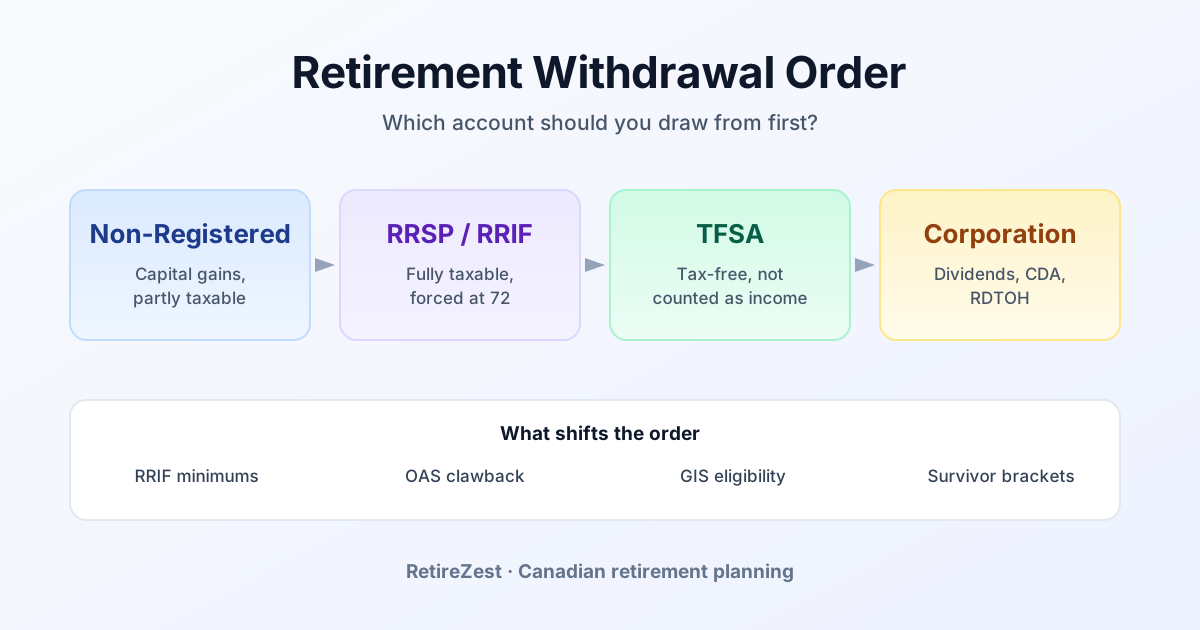
The CRA forces you to withdraw more each year — but the order you draw from RRIF, TFSA, and other accounts matters. 2026 rates by age + 5 strategies.

Draw down your RRSP early to avoid higher taxes later. How the meltdown strategy works, who benefits, and how to execute it.

Should you withdraw from your RRSP or TFSA first in retirement? It depends on your tax bracket, OAS clawback risk, and long-term plan.

Two retirees, same 30-year returns — one runs out of money, one doesn't. The difference is when the bad years hit. How to protect yourself.

TFSA contribution limits, withdrawal rules, and strategies for tax-free retirement income in Canada. 2026 rates included.

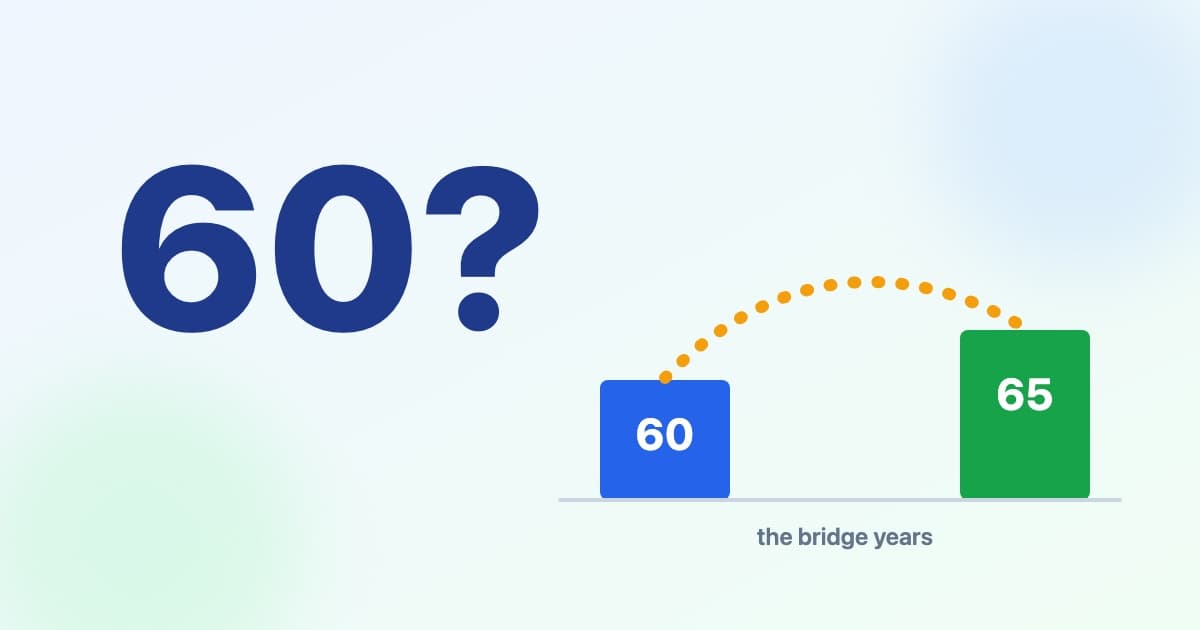
Should you take CPP at 60, 65, or 70? Dollar impact, breakeven ages, and how to find the right start age for your situation.